


The Mojina Turtle
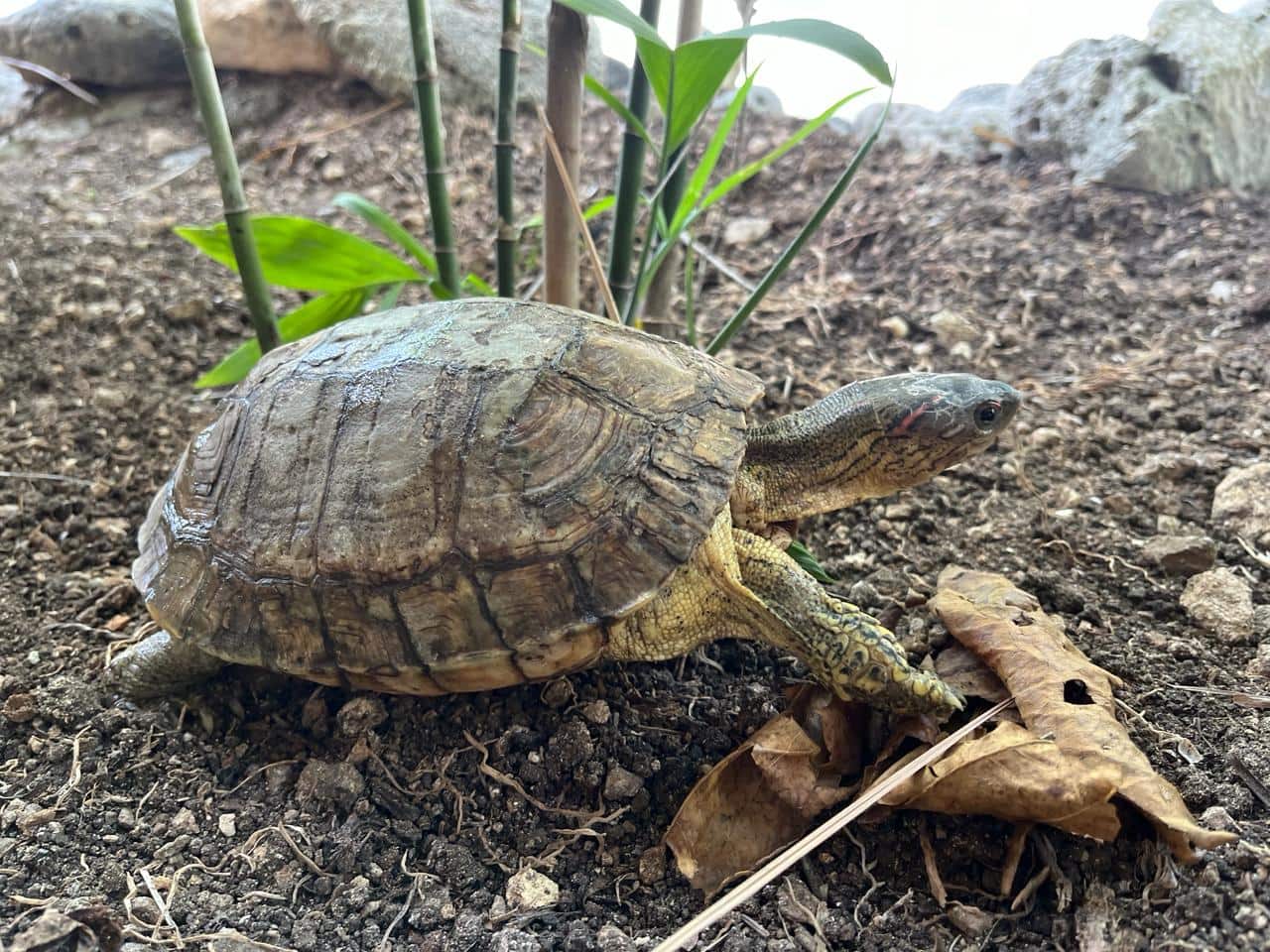
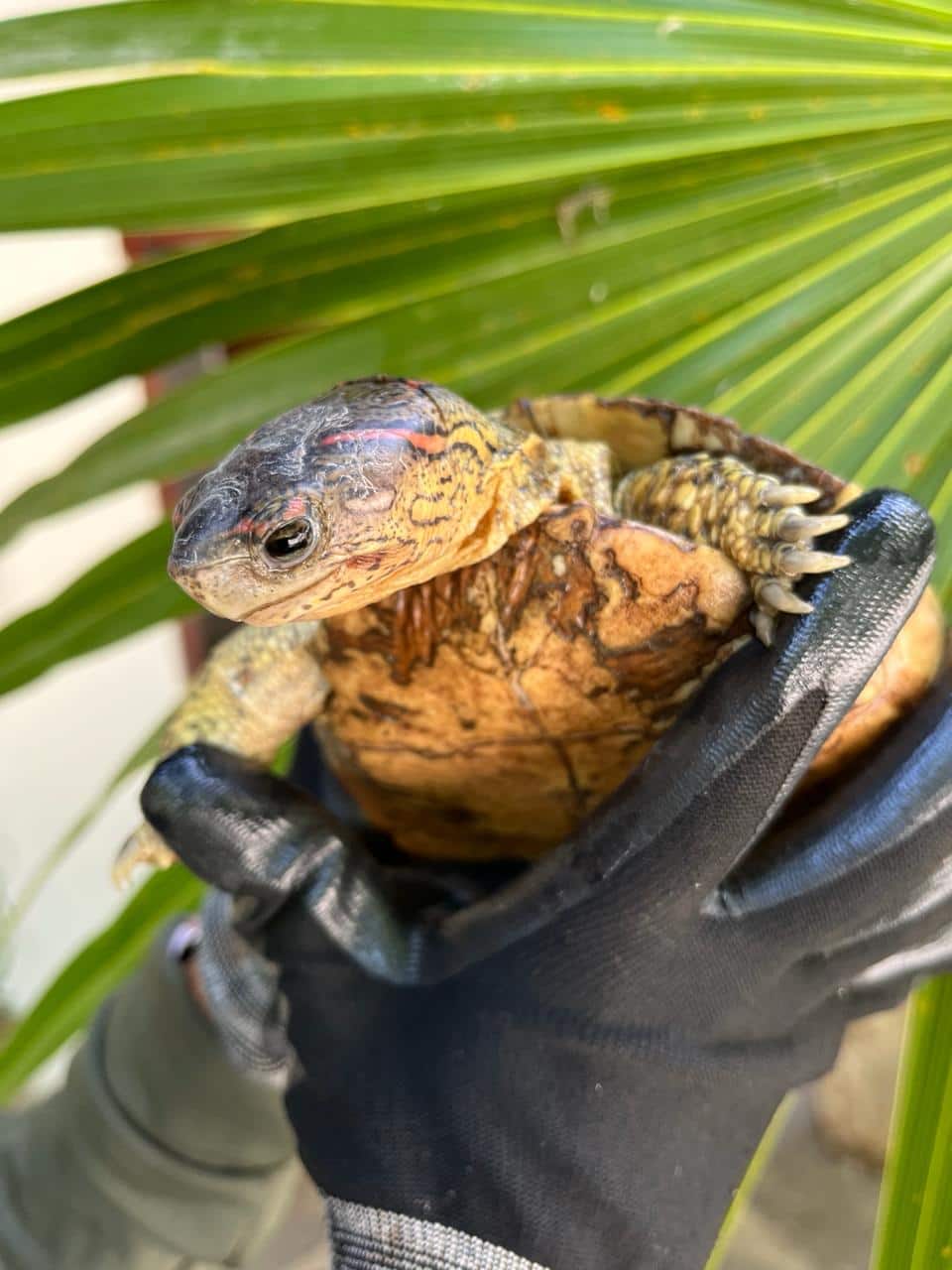
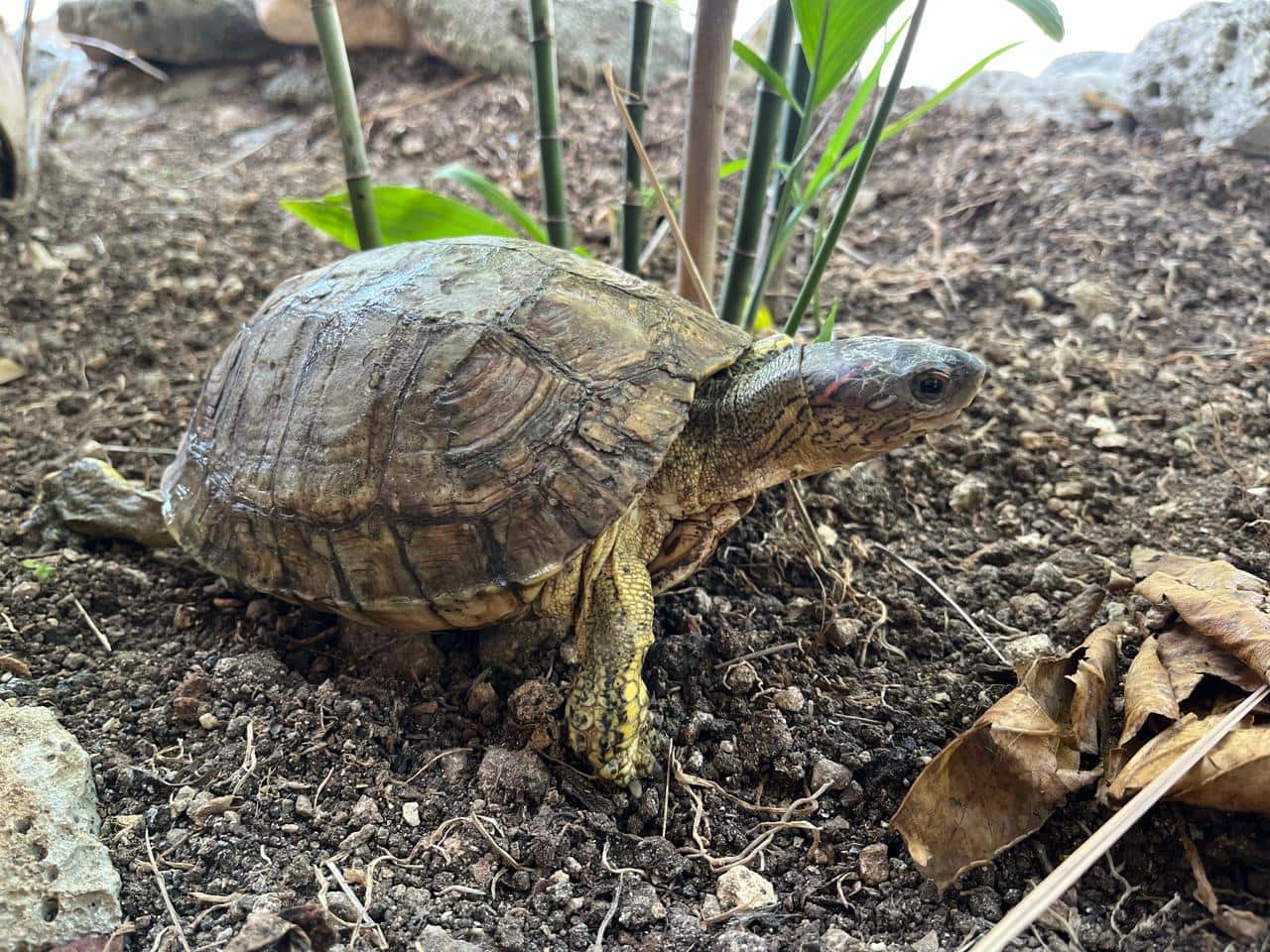
Deep within the jungles of southeastern Mexico lives a species that is as fascinating as it is elusive. The mojina turtle, known as Chacpol in the Maya language, owes its name to the reddish, yellow, and orange tones that color its head. It is one of the region’s most striking and distinctive turtle species.
The mojina turtle plays an essential role in maintaining the balance of local ecosystems. With both terrestrial and semi-aquatic habits, it moves between forests and wetlands in search of food, actively contributing to the natural dynamics of these environments. Its presence is a sign of a healthy, balanced ecosystem in which every species fulfills a vital function.
Direct impact on the biodiversity
However, the turtle’s presence in the ecosystem is also a warning. Today, the mojina turtle faces constant threats that endanger its survival. Many individuals lose their lives while crossing roads, others see their habitat disappear as a result of human development, and some are illegally captured to be kept as pets. These actions, often unnoticed in everyday life, have a direct impact on the biodiversity of our jungles and place the conservation of the species at risk.
At Fundación eco-bahia, we believe that every small action matters. Every turtle we are able to protect represents an opportunity to preserve life and maintain the balance of our ecosystems. Reducing speed while driving through natural areas, respecting wildlife, and safeguarding its habitat are everyday choices that can make a significant difference.
Today, more than ever, we are reminded that protecting their home means protecting their future—and ours as well.


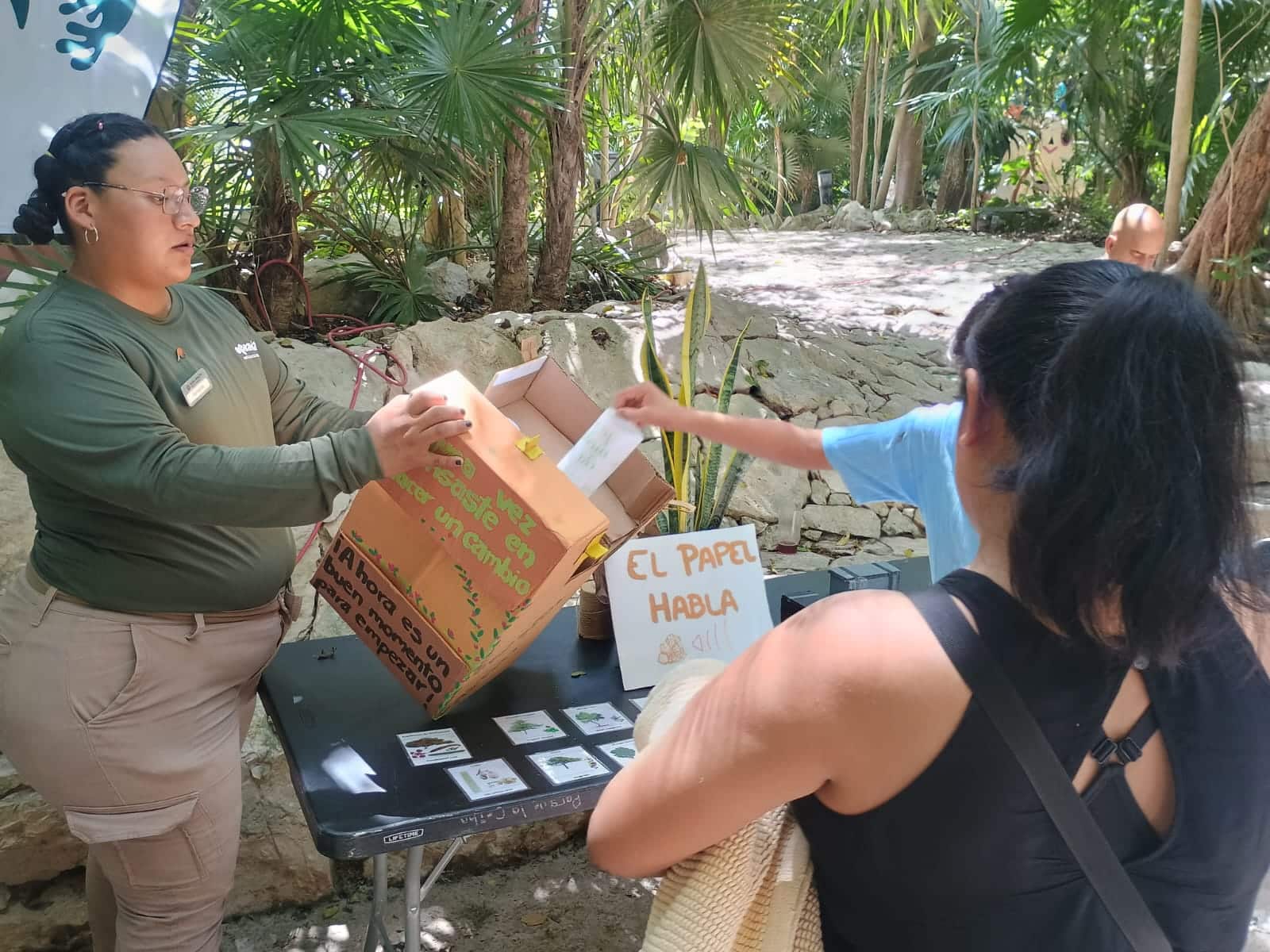
Recycled Paper Workshop in Playa del Carmen

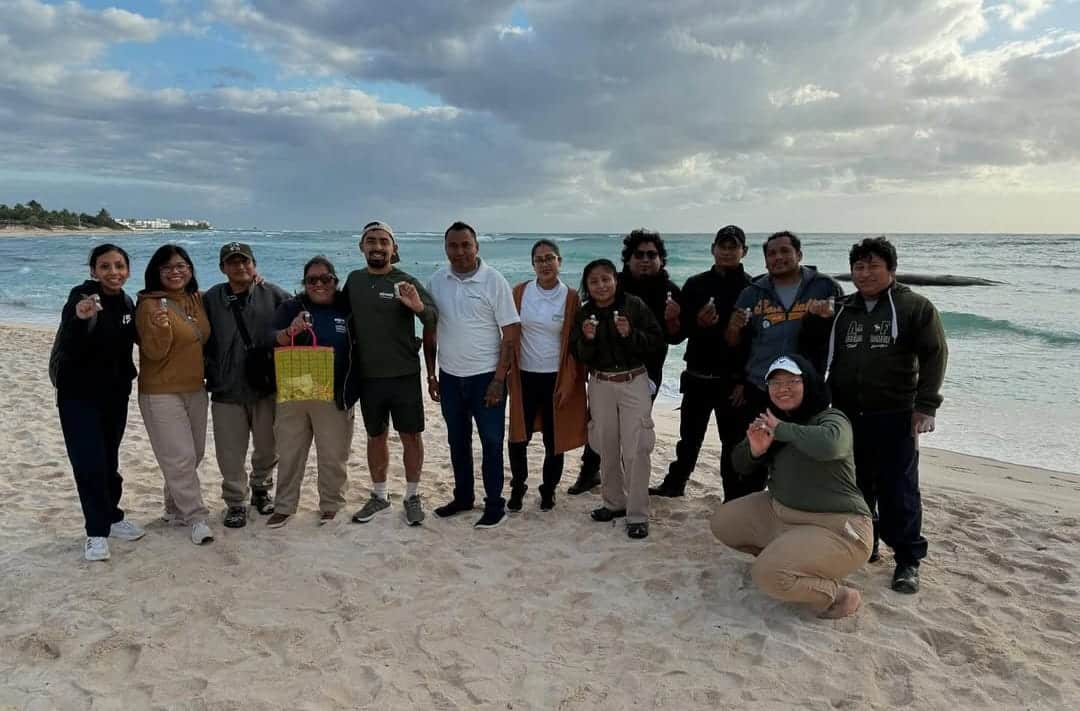
Eco-Bahia Drives Marine Conservation in Riviera Maya