


Your donation transforms their quality of life
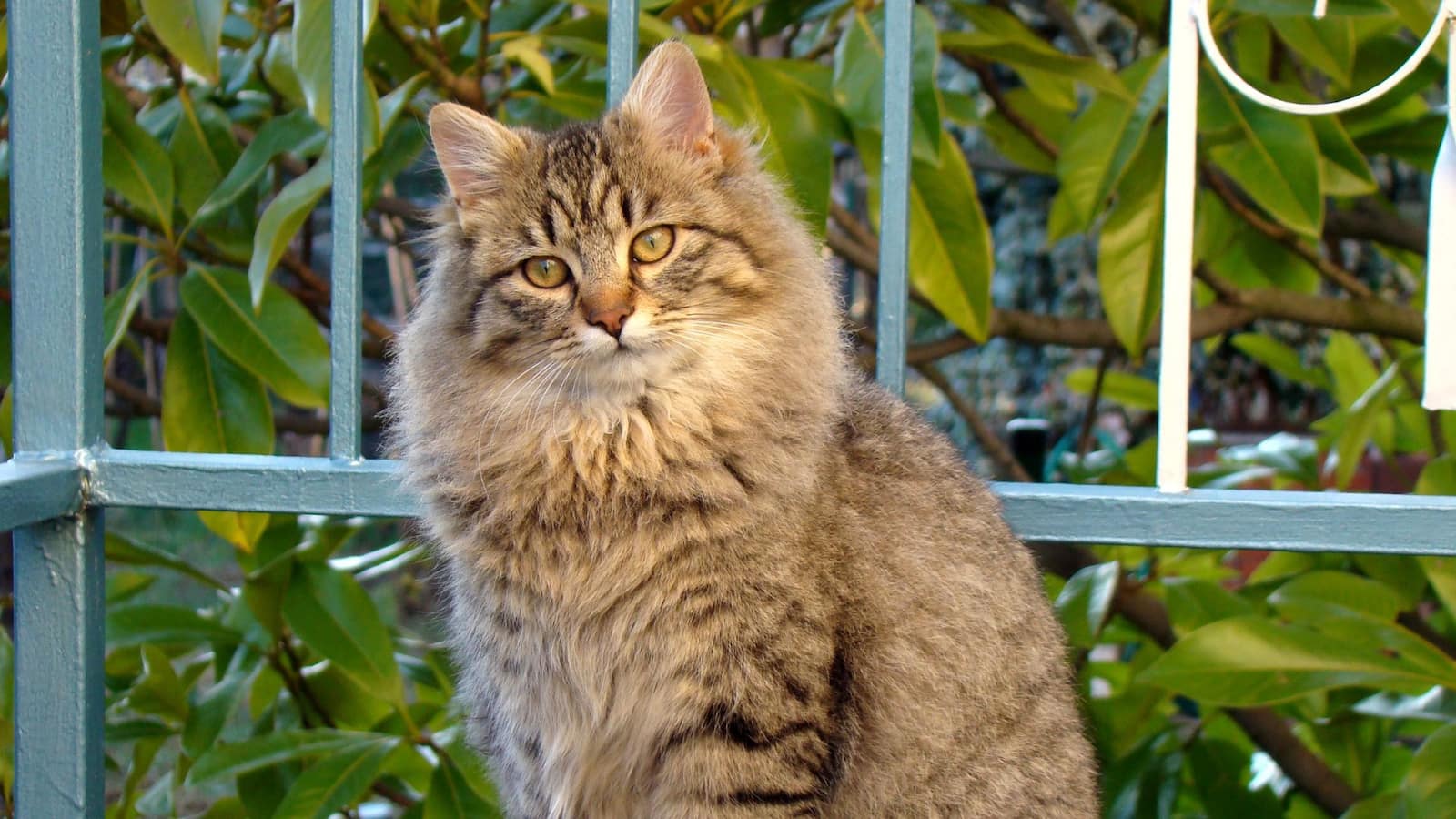
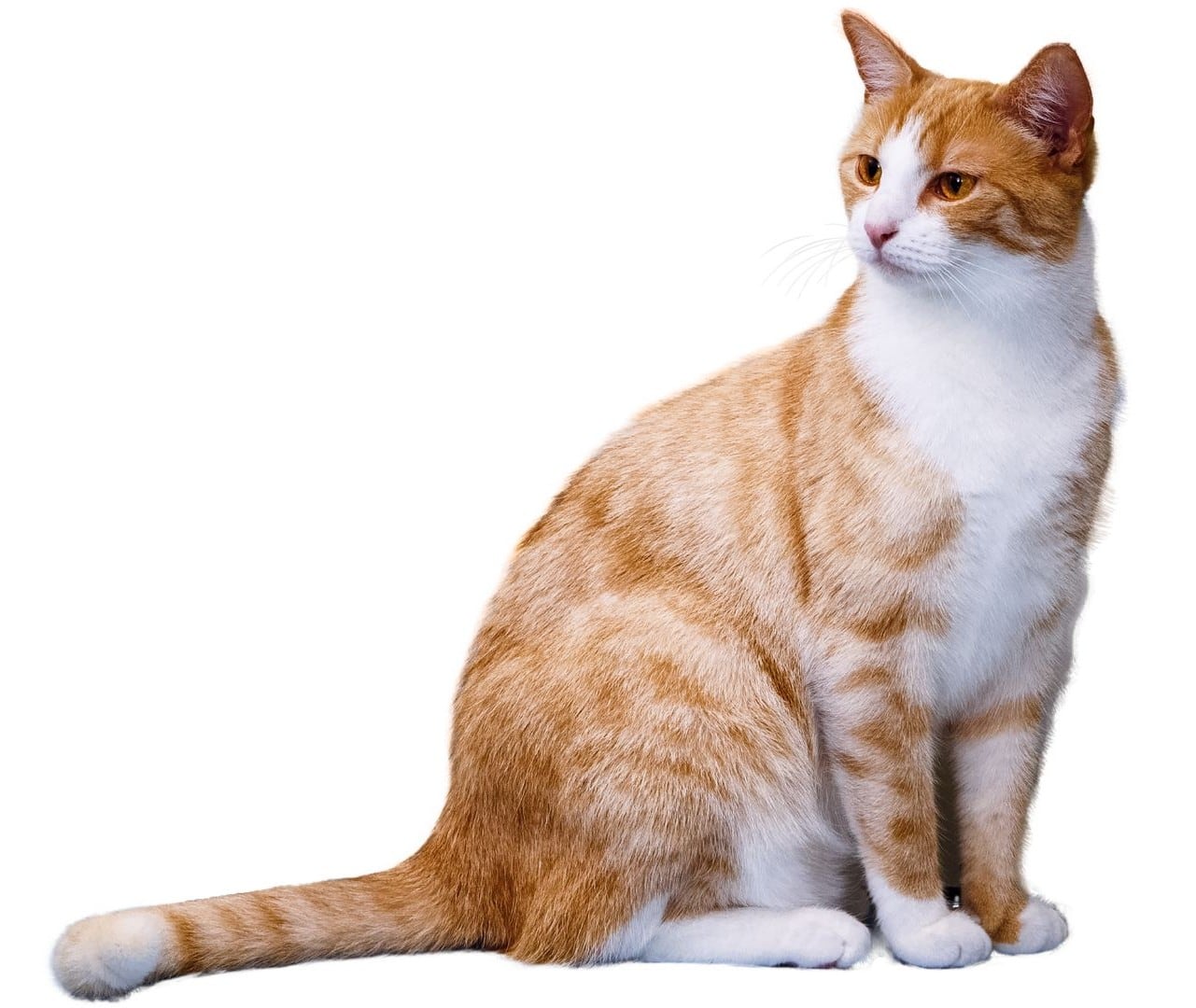
In paradise, every life matters. The feral domestic cats—those that were born or have adapted to living freely without direct human contact—who inhabit the surroundings of our hotel resort are part of our daily reality. To ensure that they coexist harmoniously with their environment and enjoy a good quality of life, they require responsible management and care.
At Eco Bahía Foundation, in partnership with Animales en Peligro Foundation and the specialists at Veterinary Surgeons on the GO, we have made a scientific and humanitarian commitment to protecting them. But we cannot do it alone. With your support, we can ensure that they lead dignified, healthy lives while maintaining a balance with the local biodiversity.
We love cats and value their lives, but it is essential to understand their role in nature. Cats are a domestic species introduced by humans into these ecosystems. When they become feral, their natural hunting instincts remain fully intact, making them highly efficient predators. This can significantly disrupt the local food chain and place native birds, reptiles, and small wildlife—essential components of our ecosystem—at risk.
This is not about being against cats; it is about taking responsibility for their presence with both firmness and compassion. By providing controlled feeding, managing their health, and ethically stabilizing their population, we can significantly reduce their impact on the surrounding wildlife. In doing so, we ease pressure on native species, safeguard feline welfare, and preserve the rich biodiversity that makes this paradise unique. It is the perfect balance: protecting every form of life.
Together with the mobile medical team from Veterinary Surgeons on the GO and the logistical support of the Animales en Peligro Foundation, we have structured our efforts around three fundamental pillars to ensure the well-being of the cat colony and native wildlife:
- Spaying and Neutering (TNR Method): We manage the population ethically and humanely through Trap-Neuter-Return (TNR) and relocation initiatives led by expert veterinary surgeons. This prevents uncontrolled reproduction, stabilizes colonies, and significantly improves their overall health.
- Controlled Feeding: We establish designated feeding stations supervised by our team to prevent cats from scavenging for waste or being driven to hunt wildlife in order to survive.
- Responsible Relocation and Adoption: We assess each cat individually. Those that demonstrate sociable behavior are prepared for adoption into human homes by our partner foundations, while truly feral cats are relocated to safe, controlled areas where they will not threaten ecologically sensitive habitats.
Nature, hospitality, and love for animals go hand in hand. Before you pack your bags or reminisce about your vacation, give them a chance at a better life and help us preserve the delicate balance of our paradise in collaboration with some of the industry's leading experts.
To better understand the impact of feral cats on biodiversity and how ethical management programs can help mitigate this issue, we invite you to explore the following resources:
FAQ: Outdoor Cats and Their Effects on Birds
The Effects of Free-Roaming Cats on Native Wildlife Populations — Leslie Reed, DVM


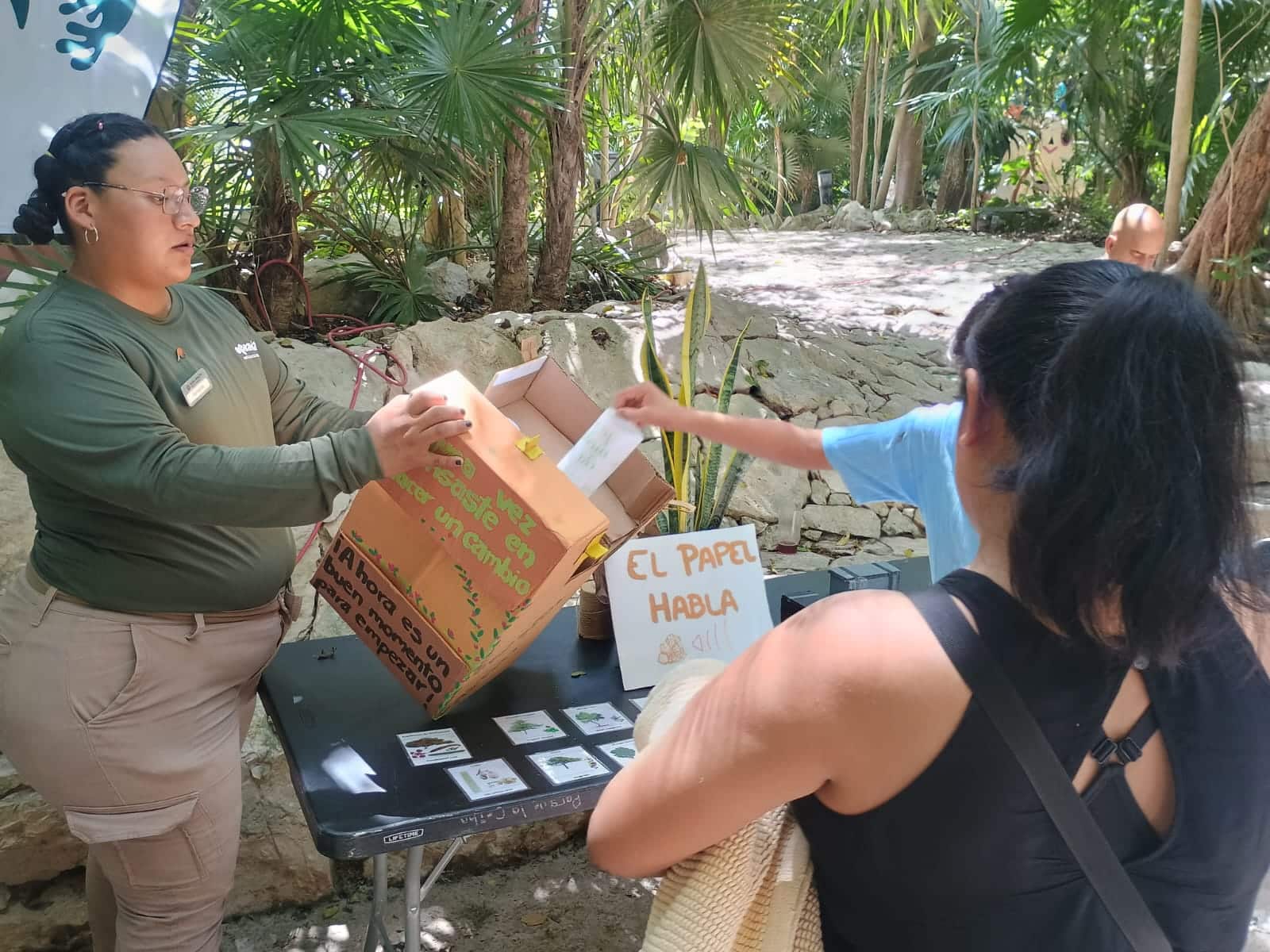
Recycled Paper Workshop in Playa del Carmen

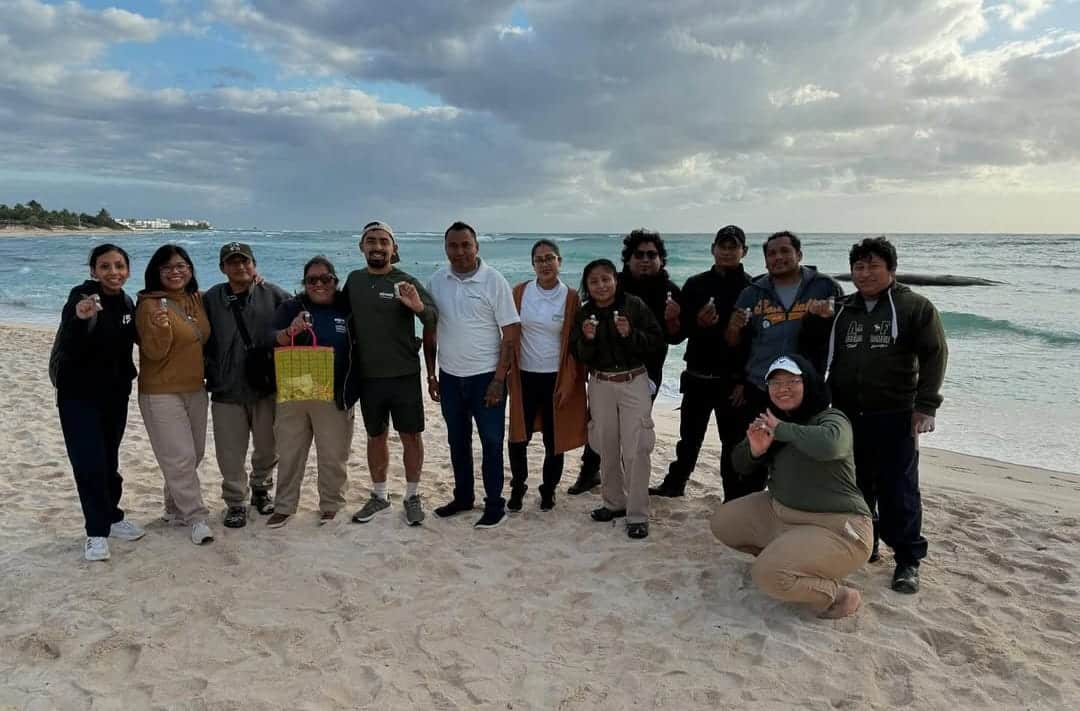
Eco-Bahia Drives Marine Conservation in Riviera Maya