


Most valuable ecosystems on Earth
Although they cover less than 1% of the ocean floor, they support nearly 25% of all known marine species, providing shelter, food, and breeding grounds for thousands of organisms. Beyond their extraordinary biodiversity, coral reefs play a vital role in protecting coastlines, supporting sustainable tourism, and contributing to the livelihoods of millions of people.
Mexico is home to some of the world's most important coral reef ecosystems, including the Mesoamerican Reef System—the second-largest barrier reef in the world—which stretches along the coasts of Quintana Roo, Belize, Guatemala, and Honduras, as well as the reefs of the Gulf of Mexico and the Pacific Ocean. These ecosystems represent a natural heritage of immense ecological, economic, and cultural value.
Despite their importance, coral reefs are under increasing pressure. Rising ocean temperatures caused by climate change have led to more frequent coral bleaching events, a phenomenon that occurs when corals expel the microscopic algae that live in symbiosis with them and provide much of the energy they need to survive.
Additional threats include nutrient and marine pollution, unplanned coastal development, sedimentation, overfishing, and unsustainable tourism practices. Together, these stressors reduce the resilience of coral reefs and threaten the rich biodiversity that depends on them.
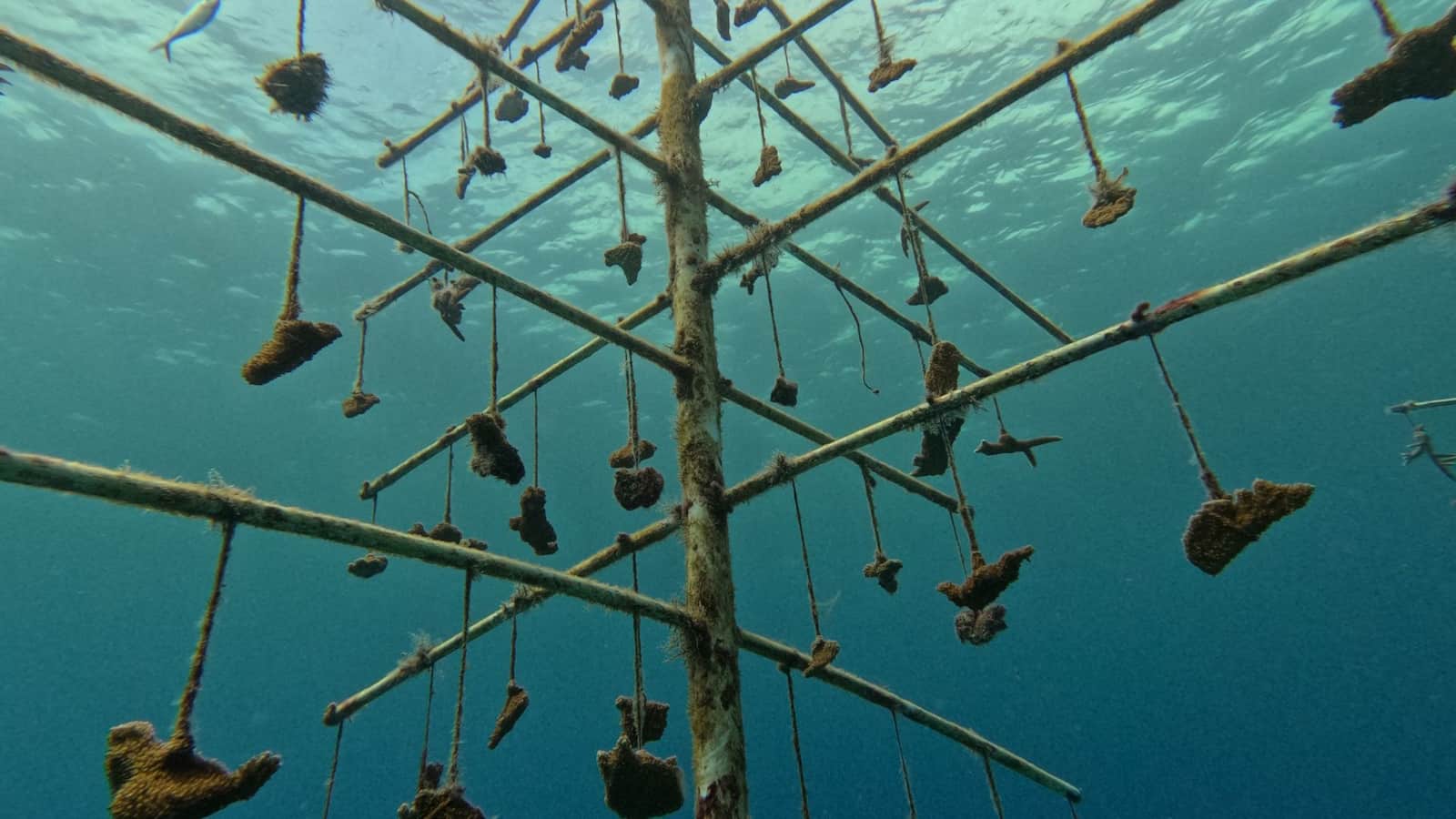
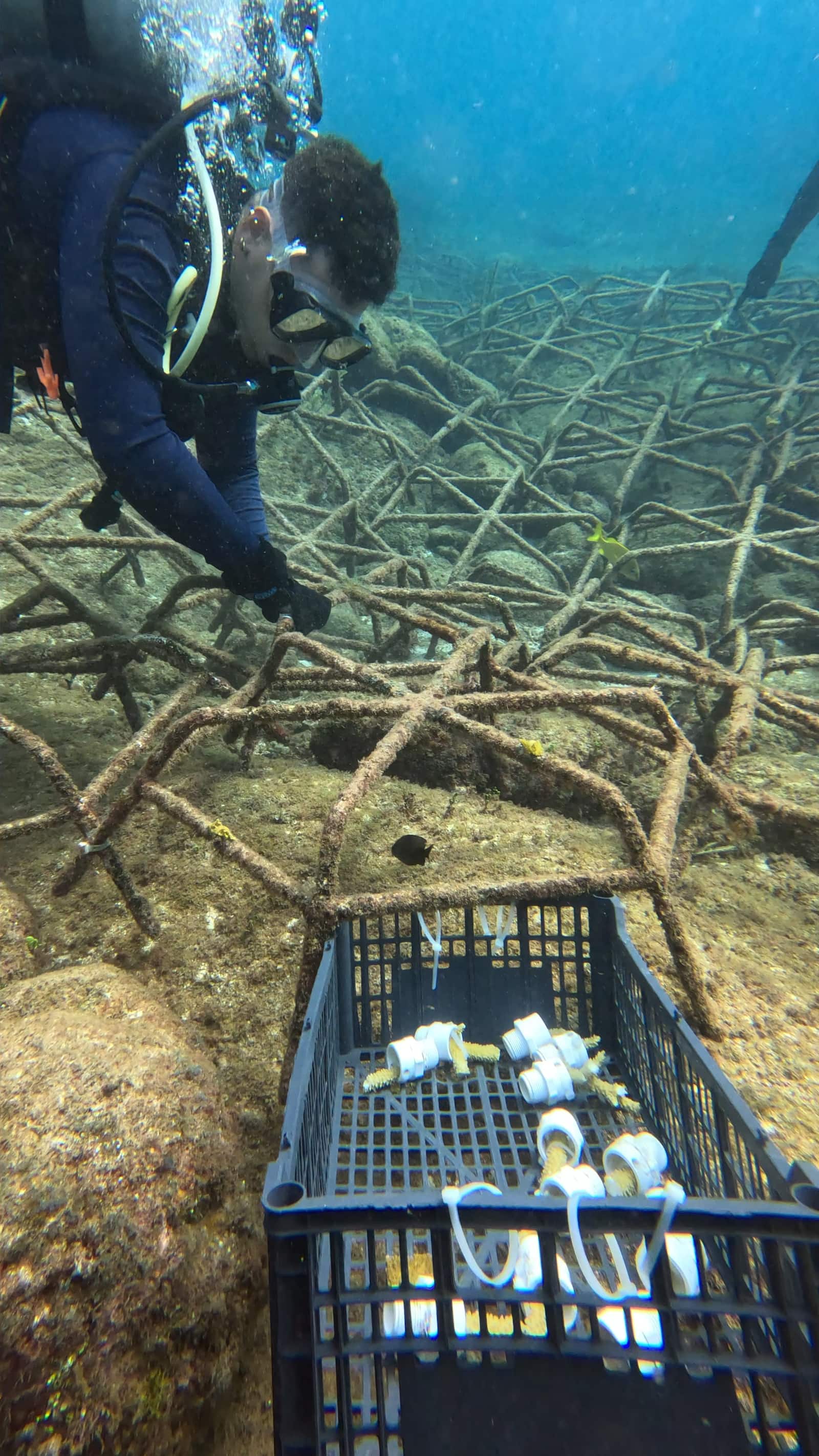
Protecting coral reefs requires an integrated approach that combines conservation, scientific research, and ecological restoration. Continuous monitoring allows scientists and conservation practitioners to assess reef health, detect changes in coral cover, identify disease outbreaks, and evaluate the effectiveness of restoration efforts.
Across several regions of Mexico, environmental organizations, local communities, academic institutions, and government agencies are working together to restore coral reefs through coral nurseries, the transplantation of healthy coral fragments, and the long-term monitoring of their growth and survival. These initiatives help strengthen the resilience of reef ecosystems in the face of climate change and other environmental pressures.
Marine conservation cannot succeed through scientific research alone. The active participation of local communities, tourism operators, fishers, and visitors is essential to reducing the pressures affecting coral reef ecosystems.
Simple actions—such as using reef-safe sunscreen, avoiding contact with corals while snorkeling or diving, respecting marine protected areas, and reducing the use of single-use plastics—can make a meaningful contribution to the conservation of these fragile ecosystems.
Protecting Mexico's coral reefs means safeguarding marine biodiversity, strengthening the resilience of coastal communities against storms and hurricanes, and preserving the ecosystem services that support local economies and human well-being.
At Fundación Eco-Bahía, we believe that effective conservation is only possible when science, environmental education, and community engagement work together. Every action taken to protect coral reefs is an investment in the future of our oceans and in the well-being of generations to come.
Understanding, valuing, and protecting coral reefs is a shared responsibility. Their future depends on the decisions we make today to ensure that these extraordinary ecosystems continue to thrive and sustain life for decades to come.


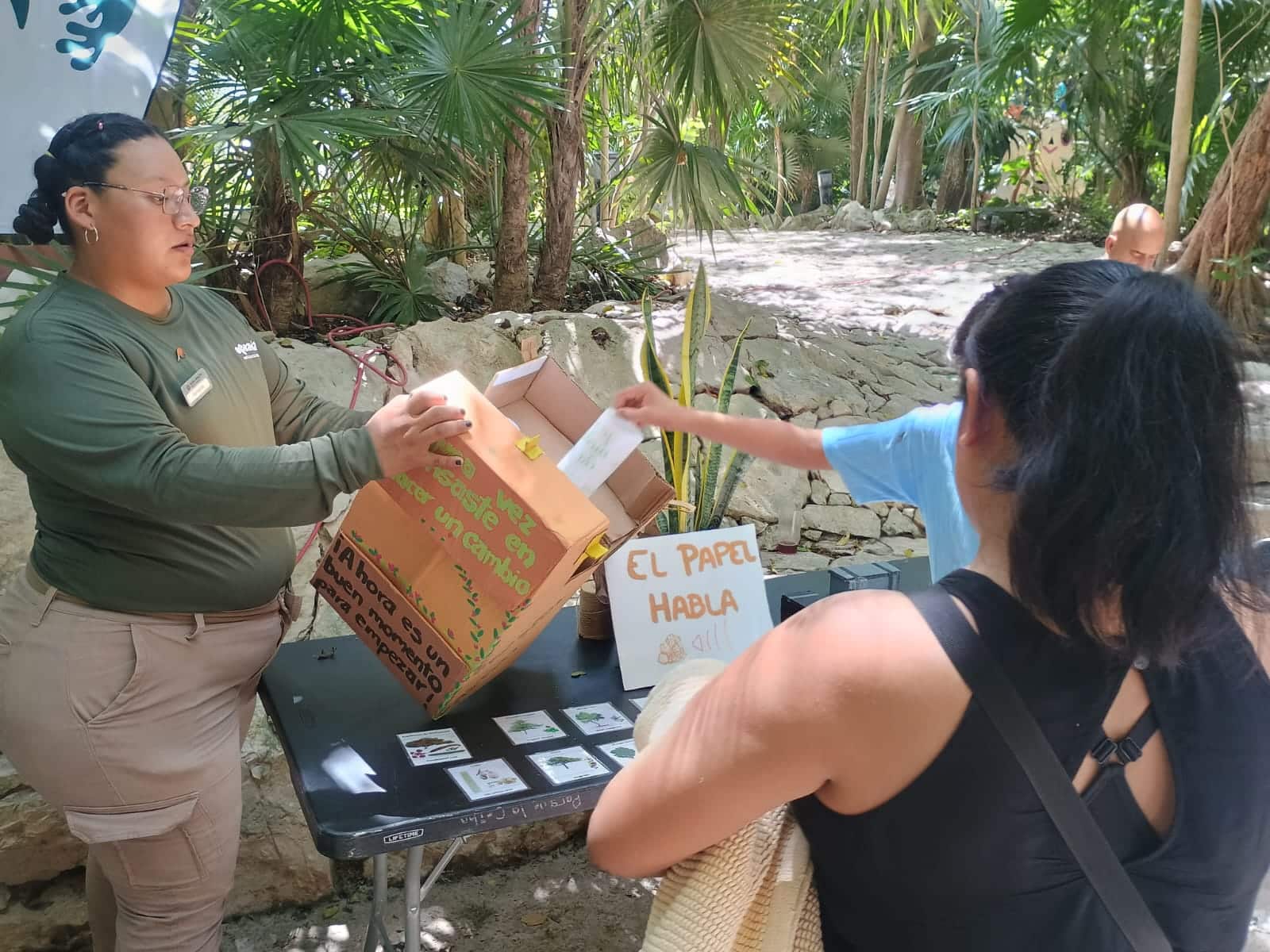
Recycled Paper Workshop in Playa del Carmen

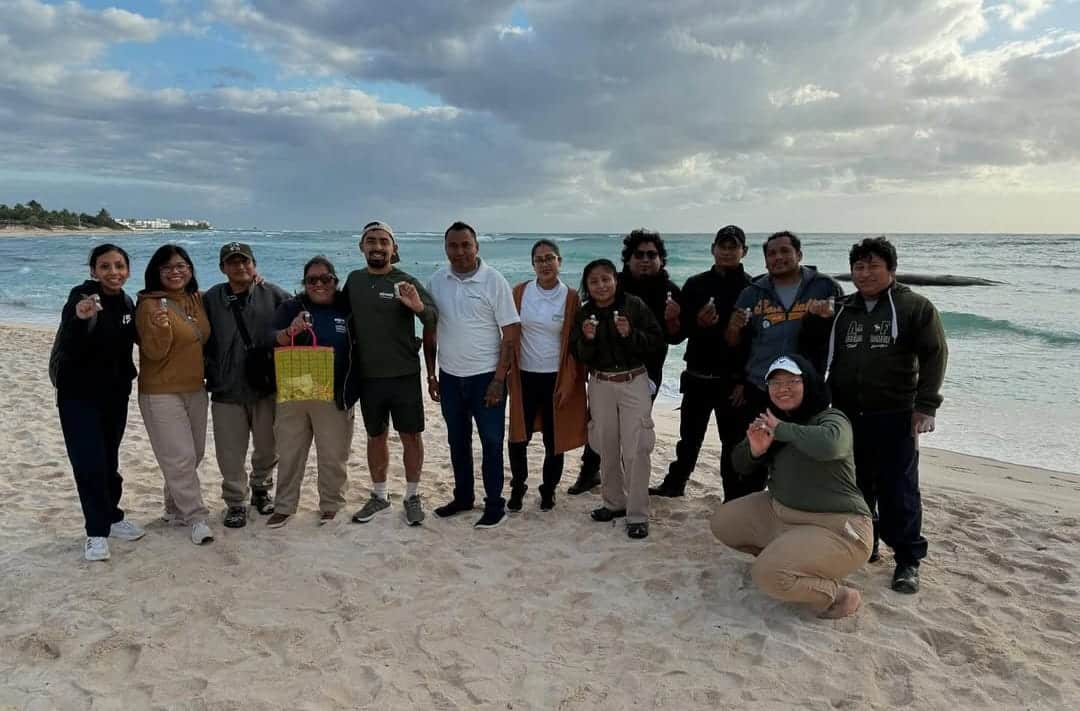
Eco-Bahia Drives Marine Conservation in Riviera Maya